who buys solar panels kicks off an exciting journey into the world of solar energy, uncovering who’s really making the switch. From eco-conscious homeowners to savvy business owners, the reasons behind these purchases are as diverse as the people making them. With the sun shining bright over Bali, let’s dive into the motivations, demographics, and innovations that are influencing this green revolution.
This tale unfolds across different age groups, income levels, and geographical locations, revealing how economic incentives like tax credits, environmental concerns, and the lure of energy independence drive the solar panel craze. Whether it’s cutting down on electricity bills or making a positive impact on the planet, the reasons to go solar are lighting up the path for many.
Identify the primary demographics that invest in solar panels.
The rise of solar energy has made it a focal point not just for environmental advocates, but for diverse demographics eager to invest in sustainable solutions. Understanding who purchases solar panels provides insight into broader trends relating to climate consciousness and energy independence. Various factors, including age, income, and geographic location play crucial roles in shaping the solar panel market.
Age Groups Most Likely to Purchase Solar Panels
Different age demographics exhibit varying motivations for investing in solar energy solutions. Generally, younger generations—specifically those aged 25 to 40—show a keen interest in solar panels. This group is often driven by a desire to reduce their carbon footprint and invest in sustainable living. They are typically tech-savvy, valuing innovative technologies that align with their environmentally conscious lifestyles. In contrast, middle-aged individuals, particularly between 41 and 60 years, tend to focus more on the financial benefits.
Homeowners in this age bracket frequently view solar panels as a long-term investment that can enhance property value and reduce energy costs. The motivations of older adults, above 60, can vary; some are attracted to solar energy as a means of ensuring financial security during retirement, seeking lower utility bills and potential government incentives.
Income Brackets Investing in Solar Energy Solutions
Income levels significantly influence the likelihood of adopting solar technology. Individuals and households with higher incomes, typically earning above $75,000 annually, are more inclined to invest in solar panels. This demographic often has the financial flexibility to afford the upfront costs associated with solar installation, viewing it as a valuable investment for long-term savings and environmental impact. Conversely, those within lower income brackets, earning below $50,000, may struggle with initial costs, despite potential long-term savings.
However, various financing options, government incentives, and community solar programs are designed to make solar energy more accessible to these individuals.
Geographical Locations of Solar Panel Purchases
Solar panel adoption varies significantly by geographic location, influenced by factors such as climate, regulations, and local energy prices. Regions with abundant sunlight, like the Southwestern United States, particularly California, Arizona, and Nevada, dominate the solar energy market. These areas not only experience high solar irradiance but also have supportive policies and incentives that encourage solar installation.Additionally, states like Texas and Florida are witnessing a surge in solar investments due to decreasing equipment costs and rising energy demands.
Urban areas also show higher adoption rates, propelled by ambitious sustainability goals and community initiatives aimed at reducing carbon emissions. In contrast, regions with less sunlight or stringent regulations may lag in solar adoption, highlighting the importance of local climate and policy frameworks in shaping consumer behavior.
Discuss the motivations behind purchasing solar panels for residential use.
Homeowners are increasingly making the switch to solar energy, driven by a combination of economic incentives, environmental concerns, and the desire for energy independence. The decision to invest in solar panels is not merely about going green; it is often a strategic financial move that aligns with modern values of sustainability and self-sufficiency.
Economic incentives such as tax credits and rebates
The financial landscape for solar panel installation is enhanced by various economic incentives provided by federal, state, and local governments. Tax credits, such as the Federal Investment Tax Credit (ITC), allow homeowners to deduct a significant percentage of the cost of installing solar systems from their federal taxes. For example, as of 2023, the ITC offers a 30% credit on solar system costs, effectively reducing the upfront investment for homeowners.
This tax break can amount to thousands of dollars, making solar energy more accessible.In addition to tax credits, many states offer rebates that further decrease the initial costs associated with solar panel installations. These rebates can vary widely depending on local policies, with some homeowners receiving thousands of dollars back after installation. Furthermore, many utility companies provide additional incentives for homeowners who adopt solar energy, including performance-based incentives that pay homeowners for the energy their solar systems produce.
As shadows stretch and fade, the canvas of our rooftops awaits the tender touch of innovation. How shall we cradle these panels upon our homes? The answer lies within the tender guidance of how to mount solar panel , where every bolt and bracket finds purpose in the pursuit of light, binding our dreams to the very essence of the sky.
Homeowners also appreciate the potential for long-term savings on energy bills. By generating their own electricity, they can significantly reduce or even eliminate their monthly utility bills. According to the Solar Energy Industries Association, the average homeowner saves approximately $20,000 over the life of their solar system.
Environmental concerns driving homeowners to adopt solar energy
Environmental consciousness plays a pivotal role in the decision to purchase solar panels. Many homeowners are motivated by the desire to reduce their carbon footprint and contribute to a sustainable future. Solar energy is a clean, renewable resource that significantly lowers greenhouse gas emissions compared to conventional fossil fuels. By choosing solar, homeowners take a stand against climate change, demonstrating a commitment to protecting the planet for future generations.
The visual imagery of solar panels gleaming under the sun often serves as a powerful reminder of individual contributions to reducing pollution and conserving natural resources.
Desire for energy independence and cost savings over time
A profound motivation for many homeowners considering solar energy is the pursuit of energy independence. The volatility of traditional energy markets, marked by fluctuating prices and supply uncertainties, often prompts individuals to seek alternatives that provide greater control over their energy consumption. By harnessing the sun’s power, homeowners can become less reliant on external energy suppliers, insulating themselves from rising utility costs and potential shortages.In an age where energy security is paramount, the long-term financial benefits are undeniably appealing.
As electricity prices continue to rise, the initial investment in solar panels becomes a strategic move towards long-term cost savings. Homeowners recognize that the upfront costs can be offset by years of reduced energy bills, resulting in a positive return on investment over time. In summary, the motivations behind purchasing solar panels are multifaceted, encompassing economic incentives, environmental concerns, and the desire for independence in energy consumption.
Compare the reasons businesses are investing in solar panel installations.
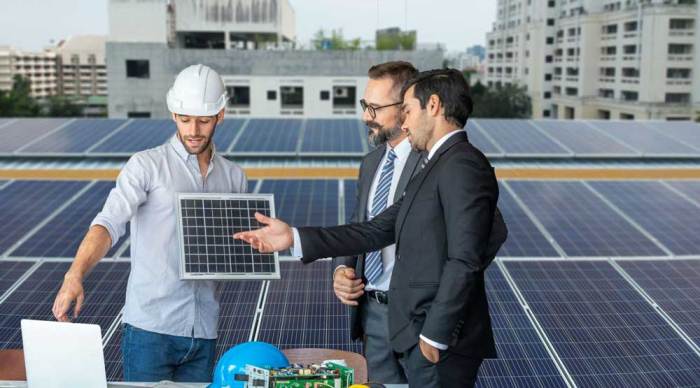
The shift towards solar energy is not just a trend but a strategic move for many businesses aiming to enhance their operational efficiency while contributing to environmental sustainability. The decision to invest in solar panels is driven by a variety of factors, ranging from financial incentives to corporate responsibility commitments. As companies recognize the long-term advantages of solar energy, the landscape of corporate energy consumption is transforming.
Financial benefits encouraging companies to switch to solar energy solutions
Businesses are increasingly drawn to solar panel installations due to their financial advantages. By harnessing solar energy, companies can significantly reduce their energy costs and improve their bottom line. The following points Artikel key financial benefits:
- Reduction in Energy Bills: Solar panels allow businesses to generate their own electricity, leading to substantial savings on monthly energy expenses. For instance, companies like Walmart have invested heavily in solar energy, reportedly saving millions annually on energy costs.
- Return on Investment (ROI): The installation of solar panels often results in a high ROI over time. Many businesses see payback periods ranging from 5 to 10 years, after which the energy produced is essentially free.
- Tax Incentives and Rebates: Numerous governments offer tax credits and rebates for solar investments, making the initial outlay more manageable. In the United States, for instance, the federal solar investment tax credit (ITC) allows businesses to deduct a significant percentage of the installation costs from their federal taxes.
- Increased Property Value: Installing solar panels can enhance the value of commercial properties. Studies have shown that properties equipped with solar energy systems sell at a premium compared to those without.
Corporate social responsibility initiatives promoting sustainability
The commitment to sustainability is becoming a core aspect of corporate identity for many organizations. As consumers increasingly prioritize eco-friendly practices, businesses recognize the importance of integrating sustainability into their operations. The adoption of solar energy plays a significant role in these initiatives, offering a visible and impactful way to demonstrate corporate social responsibility (CSR):
- Brand Reputation Enhancement: Companies that adopt solar energy often enjoy an improved brand image, appealing to environmentally conscious consumers. For example, tech giants like Apple and Google have made substantial investments in renewable energy, enhancing their reputations as leaders in sustainability.
- Commitment to Reducing Carbon Footprint: Solar energy helps businesses achieve their goals of minimizing greenhouse gas emissions. By switching to solar, companies can substantially reduce their carbon footprint, aligning with global climate initiatives.
- Community Engagement: Many businesses engage in local solar projects that benefit their communities. By investing in solar, they support job creation in the green sector and foster community development.
Industries leading in solar panel adoption
Certain industries are at the forefront of solar panel adoption, driven by both financial incentives and sustainability goals. These include:
- Retail: Major retailers like Target and Costco are investing in solar installations, utilizing rooftops and unused land to generate solar energy and reduce operational costs.
- Manufacturing: Manufacturers, particularly in sectors like textiles and electronics, are embracing solar energy to power their operations while reducing overhead costs.
- Technology: Companies in the technology sector, such as Facebook and Amazon, are heavily investing in solar energy to power their data centers, significantly decreasing their reliance on fossil fuels.
Explore the role of government regulations in solar panel purchases.
Government regulations play a vital role in shaping the landscape of solar panel purchases, acting as both catalysts and hurdles for potential buyers. The interplay between legislation and market dynamics influences consumer behavior, often leading to an increased uptake of solar energy solutions. As various levels of government implement policies that promote renewable energy, the decision-making process for consumers becomes more favorable toward adopting solar technology.Key policies designed to incentivize solar energy adoption include tax credits, rebates, and performance-based incentives.
These mechanisms are tailored to reduce upfront costs and encourage investment in solar technologies. For example, the federal Investment Tax Credit (ITC) allows homeowners and businesses to deduct a significant percentage of the cost of installing a solar energy system from their federal taxes. Such financial incentives are crucial, particularly for buyers who may be hesitant to invest in what is perceived as a high-cost technology.
Additionally, various states have implemented their own programs that complement federal initiatives, often offering further rebates and incentives that result in substantial savings.
Impact of Local, State, and Federal Laws on Purchasing Decisions
The influence of laws at multiple government levels significantly affects consumer decisions regarding solar panel purchases. Understanding the regulatory framework is essential for potential buyers as it often dictates the feasibility and attractiveness of investing in solar energy systems. Factors influencing these purchasing decisions include:
- Federal Regulations: The ITC, as mentioned, provides a robust incentive at the national level. Additionally, federal policies often determine the availability of funding for research and development in solar technologies, thus enhancing system efficiency and reducing costs.
- State Laws: Policies such as Renewable Portfolio Standards (RPS) require utilities to obtain a certain percentage of their energy from renewable sources, which can lead to increased solar adoption. Some states offer net metering laws that allow homeowners to sell excess electricity back to the grid, further incentivizing solar panel installations.
- Local Ordinances: Local governments may implement zoning laws or building codes that either facilitate or complicate solar installations. It is crucial for consumers to be aware of these regulations as they can affect installation costs and feasibility.
“Incentives and regulations can significantly tilt the scales in favor of solar energy adoption, making it more accessible and cost-effective for consumers.”
The implications of renewable energy mandates also shape consumer behavior. As consumers become more aware of mandates requiring utilities to increase the share of renewable energy in their portfolios, the demand for solar panels is expected to rise. This shift not only reflects an emerging awareness of environmental sustainability but also highlights the potential for long-term savings on energy bills.
Buyers increasingly seek out solar options as a proactive measure against rising utility costs, thereby aligning their personal investments with broader environmental goals promoted by governmental policies.
Describe the impact of technological advancements on solar panel buyers.
The evolution of solar technology has significantly transformed the landscape for potential buyers, reshaping their decisions and experiences. With the advent of improved efficiencies and advanced storage capabilities, new possibilities emerge for harnessing solar energy. This discussion highlights how these technological advancements shape consumer behavior and accessibility in the solar market.
In the quiet hum of dawn, the sun beckons softly, a gentle reminder of warmth and light. To embrace this gift, one must learn the delicate art of crafting a solar panel, a dance with nature’s energy found in the whispers of how to do solar panel. With each careful step, we harness the sun’s embrace, illuminating our world in shades of hope and sustainability.
Influence of improved solar panel efficiency and storage technologies
The continuous advancement in solar panel efficiency has made these systems more appealing to a wider audience. Modern solar panels can convert up to 22% of sunlight into electricity, surpassing older models that typically maxed out at around 15%. This increase in efficiency not only maximizes energy generation in limited spaces but also reduces the overall cost per watt, making solar energy a more economically viable option.Moreover, advancements in storage technologies, such as lithium-ion batteries, have revolutionized how consumers use solar energy.
With the ability to store excess energy generated during the day for use at night or during cloudy weather, homeowners can rely more on renewable sources and reduce dependence on the grid. This capability is particularly attractive for buyers in regions with high electricity costs or unreliable grid connections.
Attractiveness of innovations in solar energy systems
Innovations within solar energy systems extend beyond efficiency improvements. Integrated systems, such as solar roofs and solar-integrated appliances, are gaining traction among tech-savvy consumers. These products not only blend aesthetics with functionality but also make solar energy more accessible and convenient.For instance, companies like Tesla have popularized solar roof tiles that resemble traditional roofing materials while generating clean energy. Such innovations attract customers who prioritize sustainability without compromising on design or performance.
The integration of smart technology allows users to monitor and manage energy consumption, enhancing user engagement and satisfaction.
Role of financing options in making solar accessible
Financing is a pivotal aspect influencing the decision-making process for solar panel buyers. The emergence of flexible financing options, including leases, power purchase agreements (PPAs), and solar loans, has removed many of the financial barriers associated with upfront costs. These options enable consumers to install solar systems with little to no initial investment while paying for the energy produced over time.
Additionally, government incentives and rebates further reduce financial burdens, driving the adoption of solar technology. As a result, a growing number of households can transition to solar energy, contributing to a larger shift towards sustainability.
Elaborate on the financing options available for solar panel buyers.
As the adoption of solar energy continues to grow, understanding the financing options available for solar panel buyers becomes imperative. Different methods cater to varying financial situations and preferences, offering flexibility and accessibility for homeowners keen on reducing their carbon footprint while saving on energy costs.
Solar Loans, Leases, and Power Purchase Agreements (PPAs)
The financing landscape for solar panels comprises several key options: solar loans, leases, and power purchase agreements (PPAs). Each method provides unique benefits and considerations that can significantly influence a buyer’s decision.
Solar loans allow homeowners to own their solar systems outright, building equity and reaping the long-term benefits.
Solar loans typically involve borrowing money to purchase a solar panel system. Homeowners can obtain these loans from banks, credit unions, or specialized lenders. Once the loan is paid off, the homeowner owns the system, leading to long-term savings on energy bills. The advantages include federal tax credits and potential increases in property value. However, the upfront costs can be a barrier for some, and loan repayments might be challenging if cash flow is tight.
Leasing solar panels offers a lower initial investment, making solar energy more accessible.
Solar leases enable homeowners to pay a fixed monthly fee to use a solar energy system installed on their property without owning it. This option often requires little to no upfront payment, which can be appealing for those hesitant to invest heavily in solar technology. However, the homeowner does not benefit from tax credits or rebates, which can reduce overall savings in the long run.
Additionally, upon lease termination, the responsibility for system removal or continuation may lead to complications.
Power Purchase Agreements (PPAs) provide a flexible arrangement for solar energy consumption.
Under a PPA, homeowners agree to purchase electricity generated by a solar system installed at their property at a predetermined rate, typically lower than the local utility rate. This option allows for minimal upfront costs and the flexibility of not owning the solar equipment. However, similar to leasing, the homeowner misses out on tax incentives and potential savings linked to ownership.
Furthermore, the long-term contract commitment may pose challenges if energy needs change.The comparison of upfront costs versus long-term savings is vital for buyers weighing these financing options. While solar loans require significant initial investment, the potential for substantial long-term savings can make them appealing. In contrast, leases and PPAs offer immediate affordability but may result in lower overall savings due to the absence of ownership benefits.
Buyers must assess their financial situation, energy consumption habits, and long-term goals to determine the best financing method for their solar journey.
Identify the common misconceptions about solar panel ownership.
The realm of solar energy is often shrouded in myths and misunderstandings, which can deter potential buyers from embracing the benefits of solar panels. As the world shifts towards sustainable energy sources, addressing these misconceptions becomes essential for informed decision-making. Solar panel ownership not only promotes environmental sustainability but also presents long-term financial benefits.
Myths surrounding the affordability and accessibility of solar panels
A prevalent myth is that solar panels are prohibitively expensive and thus unattainable for the average homeowner. In reality, the cost of solar technology has significantly decreased over the past decade, making it more accessible than ever. Data from the Solar Energy Industries Association (SEIA) indicates that solar installation prices have dropped by nearly 70% since 2010. Additionally, various financial incentives, such as federal tax credits and state rebates, further reduce initial costs.
Moreover, many homeowners remain unaware of the financing options available that allow for little to no upfront costs. Programs such as solar leases and power purchase agreements (PPAs) empower individuals to harness solar energy without the burden of large initial investments.
A home equipped with solar panels can save upwards of $20,000 over 20 years on energy bills, making it a prudent investment.
Concerns over installation and maintenance costs
Another common misconception is that the installation and maintenance of solar panels are excessively complicated and costly. While it’s true that installation requires professional expertise, many reputable solar companies offer competitive pricing and warranties that cover both installation and maintenance. The installation process typically spans one to three days, depending on the system size, and involves minimal disruption to the household.Maintenance, on the other hand, is often simpler than perceived.
Regular checks and cleaning, which can be done by the homeowner or a hired service, ensure optimal performance. Most solar panels come with warranties lasting 25 years or longer, which assures owners of durability and low maintenance costs throughout their lifespan.
Misconceptions regarding the efficiency of solar panels in various climates
It is a common belief that solar panels are ineffective in cloudy or colder climates. However, solar panels operate efficiently in various weather conditions, as they convert both direct and indirect sunlight into energy. Regions with less sunlight, such as parts of the Pacific Northwest, have seen significant solar adoption, demonstrating that energy production is still viable.For instance, studies have shown that solar panels can generate energy even on overcast days; in fact, they can produce about 25% to 50% of their rated capacity in such conditions.
Furthermore, advancements in technology have led to the creation of high-efficiency panels that are designed to maximize energy absorption, regardless of climate.
In places with diverse weather patterns, solar energy remains a dependable resource, contradicting the notion of its climate dependency.
Detail the process of selecting the right solar panel provider.
The journey toward adopting solar energy begins with selecting a suitable provider. This decision is pivotal, as it influences not only the quality of the solar panels but also the long-term performance and maintenance of your solar energy system. An informed choice requires careful evaluation of potential companies based on reputation, customer satisfaction, warranties, and service agreements.An effective way to gauge a solar panel provider’s reliability is through careful assessment.
The following checklist serves as a fundamental tool for evaluating solar panel companies based on their reputation and customer reviews.
Checklist for Evaluating Solar Panel Companies
When selecting a solar panel provider, it’s crucial to consider various factors that reflect their credibility and service quality. The following checklist can guide potential buyers in making a sound decision:
- Company History: Research how long the company has been in business. Established companies often have proven track records.
- Customer Reviews: Check online reviews on platforms like Google, Yelp, and the Better Business Bureau (BBB) to understand customer satisfaction levels.
- Certifications: Verify if the company has necessary certifications, like NABCEP (North American Board of Certified Energy Practitioners), which can indicate professionalism and expertise.
- Portfolio of Projects: Request examples of completed installations to assess the quality and style of their work.
- Local Reputation: Inquire locally or seek recommendations from friends and family who have installed solar systems.
- Financial Stability: Check their financial standing to ensure they can support warranties and service agreements in the future.
Understanding the role of warranties and service agreements is an essential aspect of the buying process. These agreements can protect your investment and provide peace of mind.
Importance of Warranties and Service Agreements, Who buys solar panels
Warranties and service agreements are pivotal in the solar panel purchasing process, serving as safety nets for homeowners.
- Product Warranty: A good solar panel should come with a 25-year warranty, covering performance and material issues, ensuring that the panels remain effective over time.
- Labor Warranty: Installation quality is crucial; labor warranties typically cover the installation process for a specified time, safeguarding against potential installation defects.
- Service Agreements: These agreements can include routine maintenance checks, cleaning, and performance monitoring, ensuring optimal system performance.
- Transferability: In case of selling your home, check if warranties are transferable to the new owner, adding value to your property.
Lastly, comparing quotes and understanding solar panel specifications allows buyers to make informed financial decisions regarding their solar investments.
Comparing Quotes and Understanding Solar Panel Specifications
While multiple quotes may seem overwhelming, comparing them methodically can reveal the best options available. Understanding the specifications of solar panels is equally important to ensure that the selected system meets energy needs.
- Quote Breakdown: Analyze each quote’s components, including equipment costs, installation fees, and any additional charges to understand the total investment.
- Panel Efficiency: Compare the efficiency ratings of different panels, which indicate how much sunlight they can convert into energy. Higher efficiency panels may offer better long-term returns.
- Power Output: Look for the wattage of the solar panels. More watts indicate a higher energy generation potential, which can affect your return on investment.
- Durability Ratings: Evaluate the durability specifications, including resistance to weather conditions and output degradation over time.
Analyze the long-term benefits that come with solar panel investment.: Who Buys Solar Panels
Investing in solar panels is often seen as a significant decision for both homeowners and businesses. Beyond the immediate impact on electricity bills, this investment lays the foundation for long-term financial and environmental benefits that accumulate over time. The shift to solar energy not only promises substantial savings but also enhances property values and contributes positively to societal well-being.
Cumulative Savings on Electricity Bills
The financial implications of solar panel investment are profound, particularly when considering the cumulative savings over a two-decade period. Homeowners who invest in solar panels can expect a remarkable reduction in their electricity bills, which can lead to significant long-term savings. For example, if a homeowner’s average monthly electricity bill is around $150, switching to solar panels can potentially save them between $1,500 and $2,000 annually, depending on their energy consumption and local utility rates.
Over twenty years, these savings can accumulate to a staggering amount:
Total Savings = Annual Savings × 20 Years
Thus, if annual savings amount to $1,800, over twenty years, the cumulative savings would be:
Total Savings = $1,800 × 20 = $36,000
These figures can vary based on factors such as local energy rates, the size of the solar installation, and any incentives or rebates available at the time of installation.
Increase in Property Value
The installation of solar panels not only reduces energy costs but also positively affects property values. Studies have shown that homes equipped with solar energy systems are often valued higher than comparable homes without them. According to data from the National Renewable Energy Laboratory, homes with solar panels can see an increase in value by approximately $15,000 on average. This is due to buyers’ increasing preference for properties that offer energy efficiency and lower utility costs.
Solar installations often lead to quicker home sales, as they appeal to environmentally conscious buyers.
Furthermore, as renewable energy becomes more mainstream, the demand for solar-equipped homes is likely to grow, further enhancing property values in the long run.
Environmental Benefits and Societal Well-Being
The environmental advantages of adopting solar energy extend beyond individual savings and property value. By utilizing solar panels, homeowners contribute to reducing greenhouse gas emissions and reliance on fossil fuels. The installation of solar panels can prevent an estimated 100 tons of carbon dioxide emissions over their operational lifespan, significantly diminishing the carbon footprint associated with conventional energy sources. This reduction in emissions plays a critical role in combating climate change and improving air quality, leading to better health outcomes for society as a whole.Additionally, solar energy fosters energy independence and security, reducing dependence on imported fuels.
This shift not only enhances the local economy but also encourages job creation in renewable energy sectors, which can lead to sustainable economic growth.Overall, the long-term benefits of investing in solar panels are multifaceted—ranging from financial savings and increased property value to substantial environmental impacts that contribute to a healthier society.
Final Thoughts
In summary, as we wrap up this exploration of who buys solar panels, it’s clear that the shift towards solar energy is more than just a trend; it’s a movement fueled by a mix of financial benefits, environmental awareness, and technological advancements. As more people and businesses join this solar journey, the future looks bright! So whether you’re looking to save a few bucks or wanting to contribute to a sustainable world, remember that every panel counts in this solar revolution.
FAQ Resource
Who typically buys solar panels?
Homeowners, businesses, and environmentally conscious individuals are the main buyers of solar panels.
What are the financial benefits of going solar?
Tax credits, rebates, reduced electricity bills, and increased property values are key financial perks.
Are solar panels worth the investment?
Yes, they often lead to significant long-term savings and environmental benefits.
What common myths exist about solar panels?
Many believe solar panels are too expensive or ineffective in cloudy climates, which isn’t true.
How do financing options work for solar panels?
Options like loans, leases, and PPAs help make solar energy more accessible and affordable.
